Eyjafjallajökull
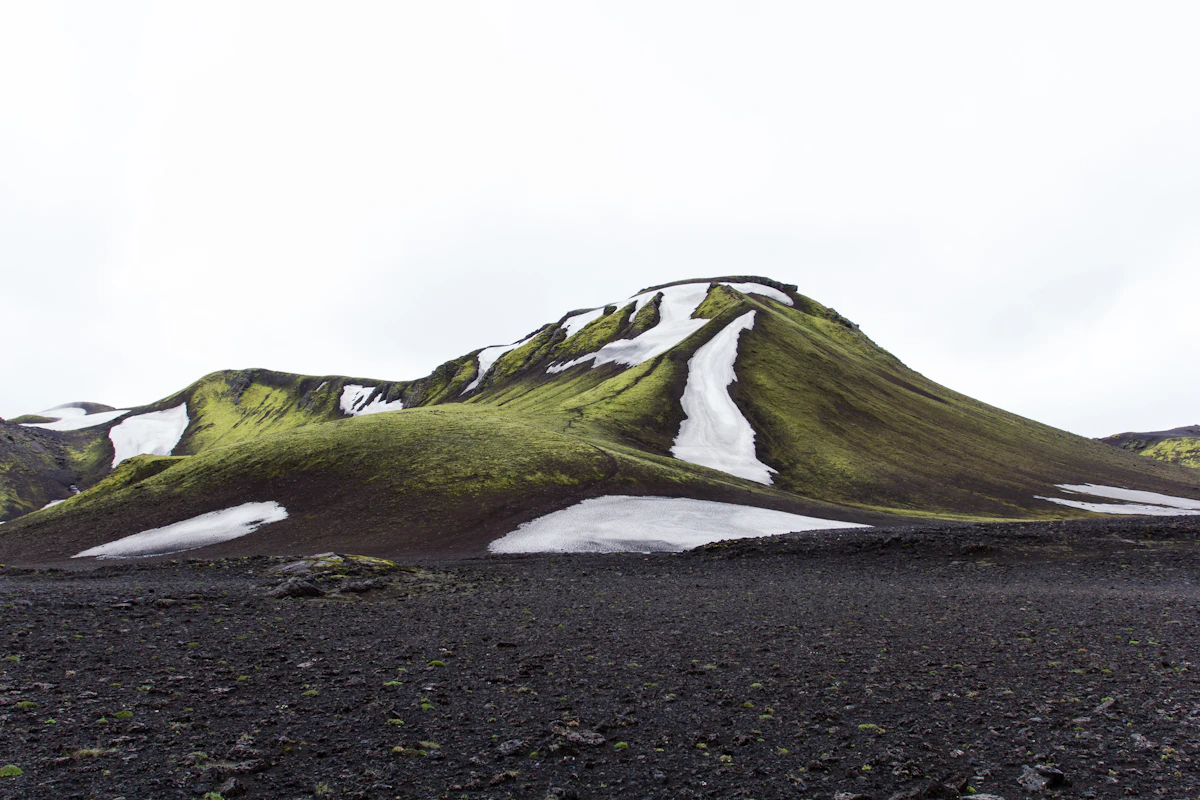
The famous glacier-capped volcano that disrupted European air traffic in 2010 and dominates the southern boundary of the Þórsmörk region. The mountain offers accessible climbing routes with rewarding views of the surrounding highlands and the dramatic interplay of ice and volcanic rock.
Things to do
- Summit hike to Eyjafjallajökull peak — A moderately challenging 5–6 hour round trip from the base that rewards climbers with panoramic views of the glacier, volcanic crater, and the Þórsmörk valley below.
- Explore the 2010 lava fields — Walk across the dramatic black lava terrain and ash deposits from the famous 2010 eruption that disrupted European aviation, now colonized by hardy mosses and plants.
- Visit Þórsmörk valley trails — Hike the multi-colored rhyolite mountains and birch forests that form the dramatic northern boundary of Eyjafjallajökull, accessible via marked routes through this protected wilderness.
- Glacier viewing at Gígjökull — Trek to the outlet glacier on Eyjafjallajökull's southeast slope to witness the interplay of blue ice against volcanic rock and observe the glacier's recent retreat.
- Photography at volcanic vistas — Capture iconic shots of the glacier-capped cone rising above ash plains and highland plateaus, especially dramatic during golden hour or with storm clouds overhead.
- Geological interpretation walks — Join guided tours that explain the volcano's eruptive history, the 2010 Eyjafjallajökull eruption mechanics, and the geological forces shaping South Iceland.
Food to try
- Fresh Arctic char from Þórsmörk streams — Locally caught freshwater fish prepared simply grilled or smoked, reflecting the pristine mountain waters surrounding the volcano.
- Icelandic lamb stew (kjötsúpa) — Hearty slow-cooked mutton with root vegetables and herbs, a traditional Icelandic comfort dish widely served at mountain huts and nearby farms.
- Rye bread baked in geothermal springs — Dense, slightly sweet traditional Icelandic bread traditionally baked using geothermal heat, available at local farms and mountain lodges in the region.
- Skyr with local berries — Thick Icelandic yogurt topped with cloudberries, bilberries, and crowberries foraged from the volcanic moorlands and served at guesthouses.
Local customs & good to know
- Prepare for rapid weather changes — The volcano's exposed position creates sudden shifts from clear skies to dense fog and rain within minutes, so always carry waterproof layers even on clear mornings.
- Respect mountain hut etiquette — Mountain shelters and lodges operate on an honor system; sign the visitor books, maintain cleanliness, and leave small contributions—this is core to Icelandic hiking culture.
- Stay on marked trails to preserve fragile terrain — The volcanic landscape and post-eruption ecosystems are sensitive; locals and park authorities expect visitors to remain on designated routes to protect natural recovery.
- Learn the eruption story locals tell — The 2010 eruption is a defining recent memory for Icelanders; showing genuine interest in their accounts of the ash, flight disruptions, and landscape transformation opens friendly conversations.
Nearby
- Skógafoss Waterfall (South Coast) — 12 km
- Skógar (South Coast) — 12 km
- Seljalandsfoss Waterfall (South Coast) — 19 km
- Hvolsvöllur (South Coast) — 26 km